Ministry of Housing & Urban Development
Housing portal that brings services, applications, policies, notices, and support into one place. Fast, mobile-friendly experience that helps citizens find the right information quickly.
Nassau, New Providence, The Bahamas
2024
Government / Housing Services
Technologies Used
Competitive Environment
Public-sector portals must be clear, trustworthy, and easy to navigate. Citizens expect fast access to services, procedures, and official updates without confusion.
- Service-first navigation with minimal clicks
- Mobile-first readability for public users
- Clear information architecture for policies and procedures
- Reliable publishing of notices, documents, and FAQs
- Visible support channels (contact, hours, office details)

Problem Statement
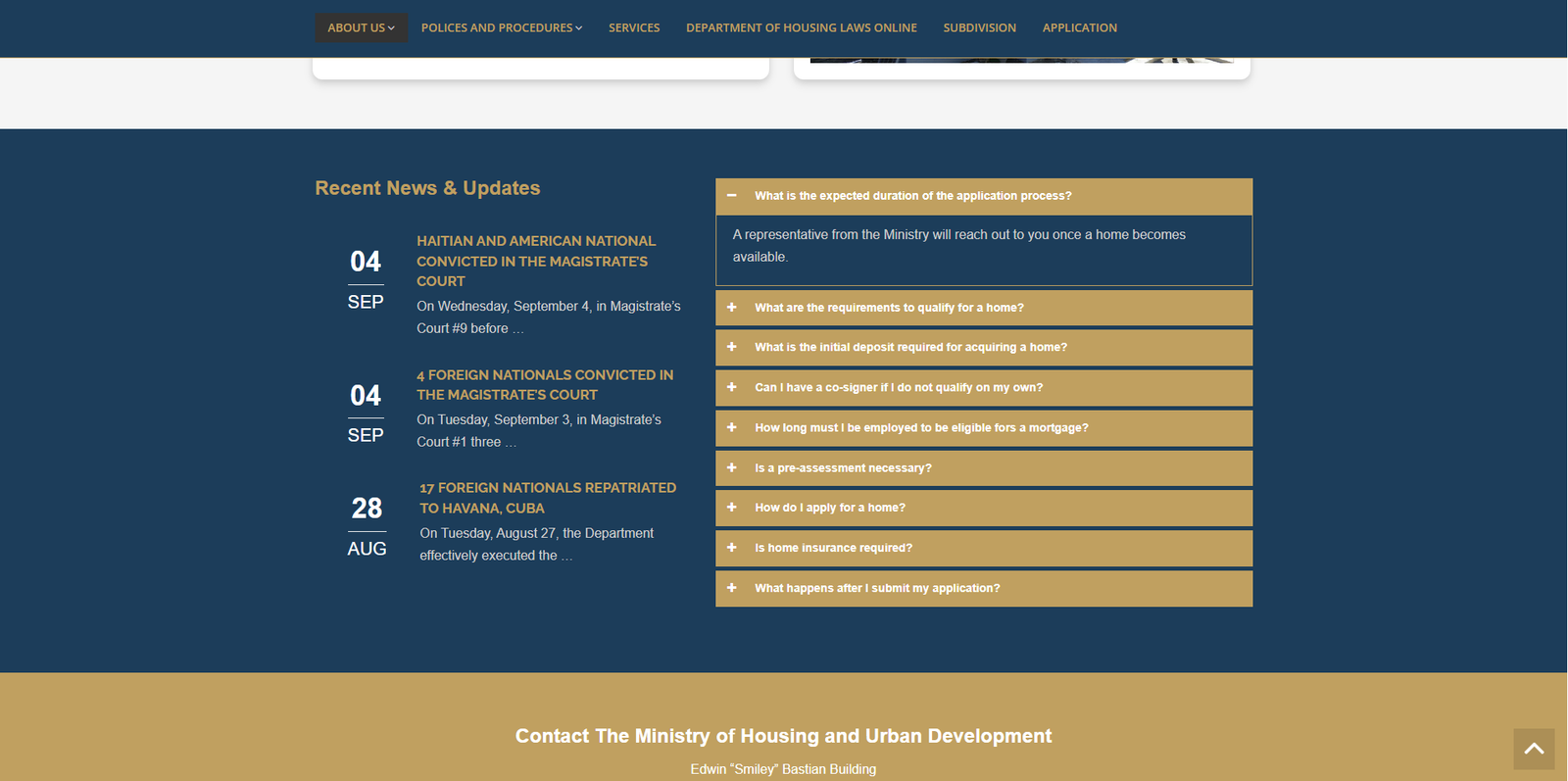
Citizens needed a single platform to access housing-related services and guidance. Key information was difficult to find quickly, and “what to do next” was not always clear.
- Users struggled to locate the correct service category
- Procedures and requirements needed clearer structure
- Notices/documents needed a consistent publishing flow
- Support information had to be more prominent
- Content updates required an admin-friendly workflow
Solution and Objectives
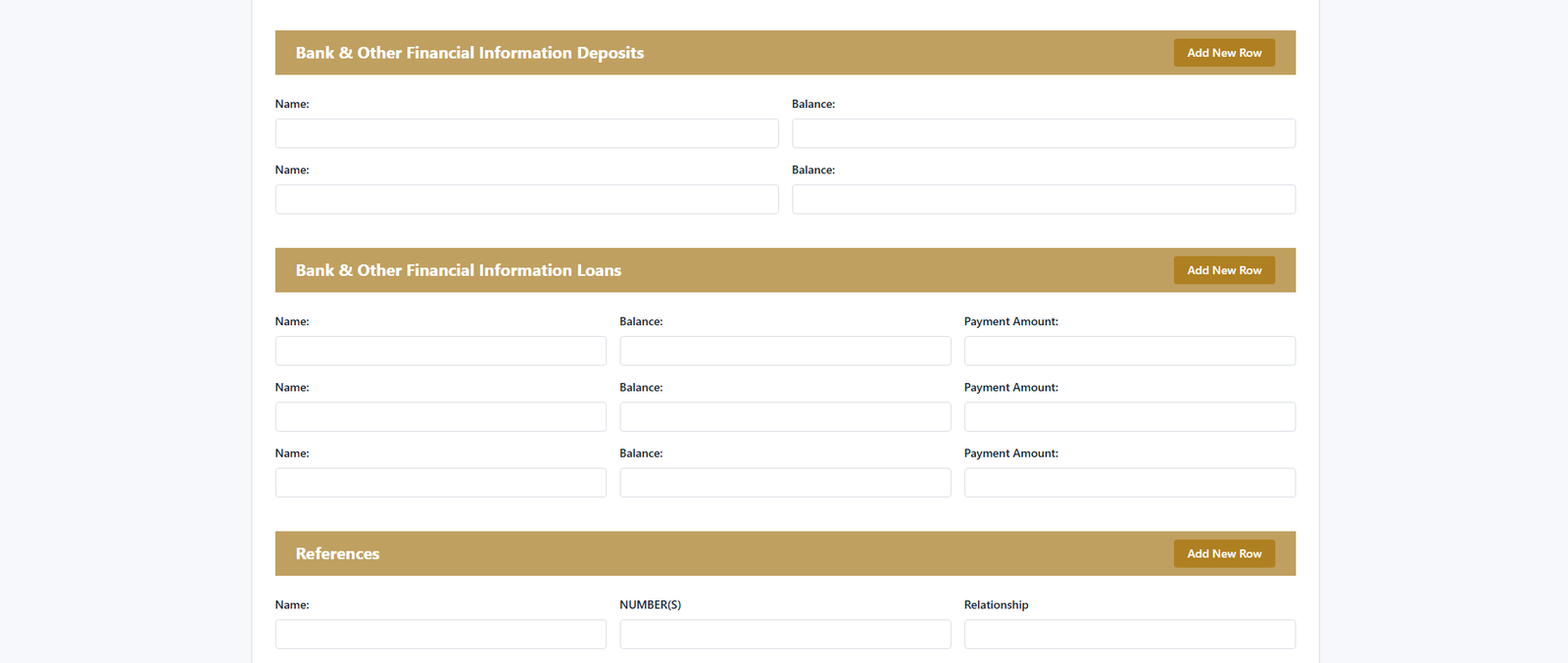
We delivered a modern service portal with structured content, fast navigation, and a CMS-driven admin workflow so staff can publish updates without developer dependency.
- Service-first pages with clear calls-to-action
- Organized policies/procedures by common user needs
- Notices and document publishing with clean linking
- FAQs and support details easy to discover
- Admin panel for content updates and page management
Technology Planning
The system was planned for scalability, security, and easy maintenance. We focused on clean architecture, performance optimization, and a stable publishing workflow.
- Backend: Laravel (routing, validation, maintainable modules)
- Database: MySQL for pages, services, notices, FAQs
- Frontend: Bootstrap-based responsive UI
- Admin: AdminLTE panels for content and media management
- Editor: WYSIWYG for rich formatted section content
- Performance: caching strategy and optimized assets
Phases
- Stakeholder interviews and goal alignment
- Review existing content, services and user journeys
- Define sitemap and information architecture
- Finalize scope, timelines and success metrics
- Identify key pages (Services, Notices, FAQs, Contact, Auth)
- Homepage layout and navigation planning
- Service listing and detail page wireframes
- Notices and document listing UX
- Mobile-first responsive design approach
- UI components system (buttons, cards, forms, typography)
- Build responsive frontend with clean sections and CTAs
- Develop CMS/admin modules for services and pages
- Create notices/documents management workflow
- Implement authentication flows (login/signup where required)
- Add reusable sections for case study style content blocks
- Basic SEO setup (titles, meta, friendly URLs)
- Production server deployment and environment setup
- Database migration, caching and performance tuning
- Security hardening (validation, uploads, roles/access)
- Final QA on mobile, tablet and desktop
- Monitoring setup and backup strategy
- Launch checklist and go-live support
- Content migration and formatting consistency
- Upload of documents/notices and verification
- Admin training for content updates and publishing
- Post-launch bug fixes and minor UI refinements
- Ongoing maintenance plan and feature roadmap
Conclusion and Results
The portal improved discoverability of housing services and created a clearer path for citizens to find official procedures, notices, and support information across all devices.
- Improved service discoverability through structured navigation
- Consistent publishing format for notices and documents
- Better mobile experience for public users
- Reduced admin dependency with CMS workflow
Key Challenge
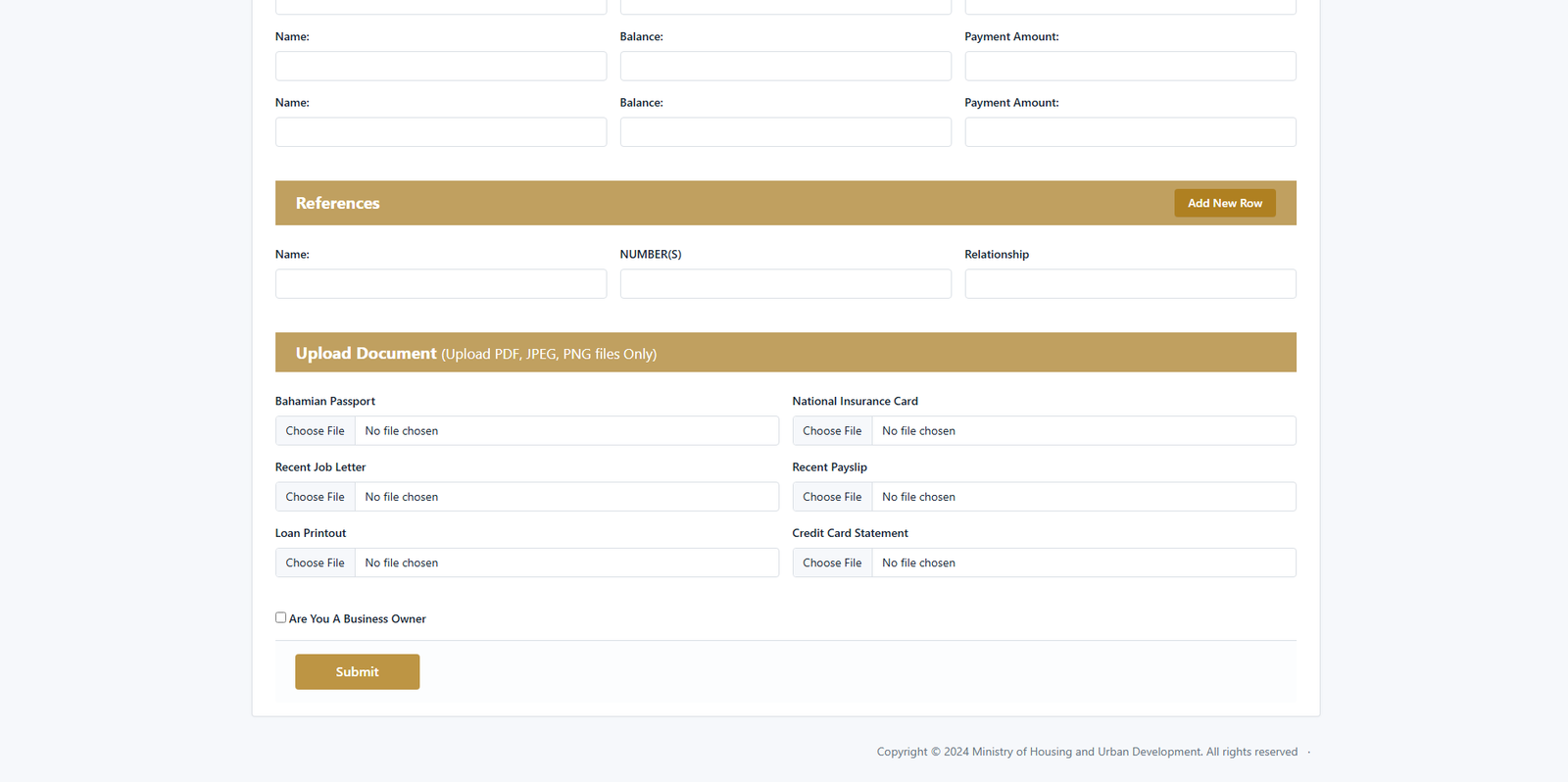
The biggest challenge was simplifying complex government procedures into clear content while keeping the portal readable, consistent, and easy to navigate on mobile.
- Structuring large content without overwhelming users
- Maintaining consistency across pages and documents
- Keeping navigation simple while covering many services
- Ensuring mobile readability for long informational pages
Next Steps
Recommended improvements for the next iterations focus on search, analytics, and smoother service workflows for citizens and internal staff.
- Add site-wide smart search for policies, services, and documents
- Integrate analytics to track most-used services and pages
- Enhance online forms with status updates and confirmations
- Improve accessibility (contrast, keyboard navigation, labels)
- Add content approval workflow for official publishing